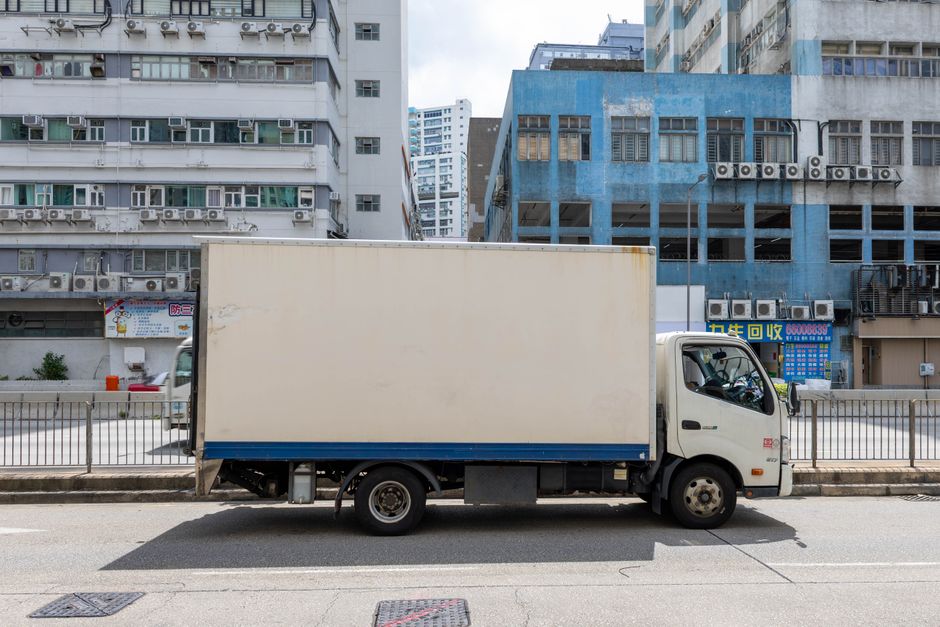
Devons Road small flat removals Bow insider tips: a practical guide for smoother moves
If you are planning Devons Road small flat removals Bow insider tips advice is exactly what you need. Small flat moves can look simple on paper, then suddenly become awkward in real life: a tight stairwell, a parking restriction, a wardrobe that only just fitted through the door in the first place. Sound familiar? In Bow, and especially around Devons Road, the difference between a smooth move and a stressful one usually comes down to preparation, timing, and knowing the local quirks before moving day arrives.
This guide pulls together the things people often learn too late. You will get a clear breakdown of how small flat removals work, what matters most in Bow, how to avoid common mistakes, and which service options make the most sense depending on your property, furniture, and time pressure. We will also look at packing, access, costs, and a few insider tips that tend to save a lot of hassle. Let's make the day feel manageable, not chaotic.
Table of Contents
- Why Devons Road small flat removals Bow insider tips Matter
- How Devons Road small flat removals Bow insider tips Works
- Key Benefits and Practical Advantages
- Who This Is For and When It Makes Sense
- Step-by-Step Guidance
- Expert Tips for Better Results
- Common Mistakes to Avoid
- Tools, Resources and Recommendations
- Law, Compliance, Standards, or Best Practice
- Options, Methods, or Comparison Table
- Case Study or Real-World Example
- Practical Checklist
- Conclusion
- Frequently Asked Questions
Why Devons Road small flat removals Bow insider tips Matter
Small flat removals are not "just a quick van job". In Bow, the local setup matters: narrow roads, shared entrances, limited loading space, upper-floor flats, and the sort of building access that looks fine until you try turning a sofa on a landing. A move that is perfectly doable can still go sideways if you do not plan for the practical realities of the area.
That is why local knowledge is so useful. Around Devons Road, you may be dealing with apartments in busy residential blocks, short parking windows, and lift access that cannot be assumed. Even if the move itself is short-distance, the actual loading and unloading can take most of the time. If you are moving a one-bed or studio flat, a few smart choices can cut stress dramatically.
The main point is simple: small flat removals work best when the move is treated like a mini-project, not an afterthought. A little structure goes a long way. And to be fair, it is often the smallest details that save the day - the box labels, the lift booking, the parking arrangement, the one bag you keep with you. That bag matters more than people think.
Expert summary: For Devons Road and wider Bow flat moves, the biggest wins usually come from planning access first, packing by room, keeping essential items separate, and choosing the right vehicle size for the building layout rather than the item count alone.
How Devons Road small flat removals Bow insider tips Works
Most small flat removals follow a fairly predictable rhythm, even if the details change from property to property. You start by listing what needs moving, then you decide how much help you actually need, then you build the move around access and timing. That sounds obvious. It rarely happens cleanly unless someone takes charge of it.
For a Bow flat move, the process usually looks like this:
- Survey the items. Measure anything bulky such as beds, wardrobes, tables, and tall cabinets.
- Check access. Note stairs, lift size, hallway turns, and entry points.
- Choose the right support. A full removals team, a man with a van, or a mixed approach may all be sensible depending on the load.
- Pack in stages. Non-essential items first, essentials last.
- Move in the right order. Heavy or awkward items go out first if the route allows it, so the team is not working around loose boxes.
- Settle the destination. Know where furniture will go before arrival, especially in small flats where every corner counts.
If you need a broader removals overview before narrowing down your options, it can help to look at the company's removals and flat removals services. For smaller, lighter moves, a man with van setup can be a practical fit, while a more involved job may sit better within a fuller removal services package.
What often catches people out is that the move is not limited by how much they own. It is limited by how efficiently the contents can get from A to B. A compact flat with difficult access can take longer than a bigger flat with easy loading. Frustrating, yes. But predictable once you know what to look for.
Key Benefits and Practical Advantages
When small flat removals are handled properly, the benefits are immediate. Less time lost. Less stress. Fewer damaged items. And, perhaps most importantly, fewer surprises on the day.
- Better time control: A well-planned small move is usually quicker because there is less backtracking and fewer last-minute decisions.
- Lower strain: Professional loading reduces the risk of injury and avoids the classic "we can carry it ourselves" mistake that turns into a twisted back by 11 a.m.
- Less damage risk: With the right packing and lifting technique, corners, doorframes, and furniture edges are better protected.
- More confidence: Knowing your parking, access, and inventory are sorted takes a lot of pressure out of the move.
- Flexible service levels: You do not always need a large truck or a full crew. Sometimes a van and a careful plan are enough.
There is also a financial advantage to right-sizing the move. If you book more capacity than you need, you can end up paying for empty space. If you book too little, you may need extra trips or extra labour. Neither is ideal. The sweet spot is matching the service to the actual contents and the actual building access. Simple in theory. Worth doing properly in practice.
For people who are combining moving with packing support, the packing and boxes and packing and unpacking services pages are useful to understand what extra help can look like, especially if you are moving on a tight schedule or between rented properties.
Who This Is For and When It Makes Sense
These tips are especially useful if you are moving from a studio, one-bedroom flat, or compact apartment in Bow. But honestly, anyone with limited storage, awkward access, or a short move window can benefit.
This is a strong fit if you are:
- a tenant moving between flats with a lot of boxes but not much furniture;
- a student leaving term-time accommodation and needing a simple, cost-aware move;
- a professional relocating quickly and wanting minimal disruption;
- a couple moving from a small flat where every item has to earn its space;
- someone with bulky furniture in a tight stairwell or narrow hallway;
- a person needing temporary storage because the move-out and move-in dates do not line up.
Students in particular often underestimate how much time is lost with multiple small trips, so the student removals option can be worth considering if you want a cleaner, calmer handover between addresses. If your dates do not align, storage can be a lifesaver too; it is one of those things people are grateful for after the fact, even if they never wanted to use it in the first place.
It also makes sense when you want reassurance rather than a full-scale move. Not everyone needs a huge operation. Sometimes you just need the right size vehicle, a careful team, and someone who understands flat access without needing a ten-minute explanation at the kerb.
Step-by-Step Guidance
1. Start with a realistic inventory
List everything by room. Keep it plain and honest. Include the awkward bits: the mirror with no box, the plant pot, the desk chair that never quite fits anywhere. If you skip this step, you end up guessing vehicle size and labour needs, which is where moving day starts to wobble.
2. Measure the awkward items first
Measure beds, sofas, wardrobes, white goods, and anything that needs turning through a doorway. One quick tape-measure check can prevent a whole lot of panic later. It takes two minutes and can save an hour. Maybe more.
3. Check access before you book
Look at stair width, lift size, corridor turns, parking restrictions, and where a van could safely stop. If you live near a busy stretch of Devons Road, this is not a nice-to-have; it is central to the plan. A moving van is only useful if it can actually park close enough to your door.
4. Decide what needs professional handling
Most small flat moves include a mix of light boxes and a few awkward items. You may be able to move clothes, bedding, and soft items yourself while leaving the heavy lifting to the removals team. That split can make the day more affordable and more efficient.
5. Pack by priority, not by mood
Pack room by room and label each box clearly. First-night boxes are worth separating out. Keep chargers, toiletries, tea bags, kettle, medications, and important documents with you. Yes, the tea bags. Let's face it, nobody wants to be hunting for them after a long day surrounded by cardboard.
6. Prepare the flat for loading
Clear hallways, disconnect portable appliances where safe, and remove loose items from shelves and surfaces. The less clutter in the path, the faster the team can work and the less chance there is of scuffed walls or bumped corners.
7. Confirm timing and arrival windows
Ask how the team will arrive, how long the move is likely to take, and whether there are any access issues they should know about in advance. A clear start time is helpful, but a realistic buffer is even better.
8. Do a final walk-through
Check cupboards, under beds, behind doors, and inside bathroom shelves. You would be surprised how often one final scan finds keys, chargers, or a lone shoe sitting in plain sight.
If you want help matching the move type to the vehicle type, the removal van and moving truck pages are a useful comparison point. For a small flat, a van is often enough, but not always. Access and furniture shape matter as much as volume.
Expert Tips for Better Results
The following are the sort of little adjustments that make a move feel far less messy. None of them is glamorous. All of them help.
- Book the move around the building, not just the calendar. If your building is busy at school-run time or commuter hours, avoid making life harder than it needs to be.
- Keep one bag with the essentials. Wallet, keys, medication, chargers, documents, snacks. Boring but essential.
- Use colour-coded labels if you can. Even a simple "kitchen / bedroom / bathroom" system speeds unloading.
- Take photos of cable setups before dismantling. It saves head-scratching later when the TV or desk is going back together.
- Protect surfaces early. A sheet over a mattress or a blanket over a table can stop scratches that are annoying to discover after the move.
- Leave bulky disassembly to the right point in the day. If something must be dismantled, do it early enough that it does not become a bottleneck.
Here is one small insider tip from real moving-day logic: if your flat has a slightly awkward sofa or bed base, do not wait until the end to "see if it fits". Check the route first. Always. People laugh until the mattress is standing upright in the hallway and everyone is pretending this was part of the plan.
For larger pieces you are not keeping, it can help to use a dedicated furniture removals or furniture pick-up service so you are not overloading the moving day itself with extra decisions.
Common Mistakes to Avoid
Small flat removals usually go wrong in the same handful of ways. Once you know the pattern, you can dodge most of them.
- Underestimating access. The flat may be small, but the route to it might not be. That is the trap.
- Leaving packing too late. People think a few boxes will be quick. Then suddenly it is midnight and there are loose items everywhere.
- Forgetting parking constraints. If a van cannot stop nearby, moving time expands. Fast.
- Mixing essentials with everything else. This is the classic first-night headache.
- Booking the wrong service type. A cheap option can become expensive if you need a second trip or extra lifting support.
- Not telling the team about delicate or unusual items. If there is a piano, a large mirror, or heavy gym gear, say so early.
Another common slip is assuming every removal company will handle a small flat move the same way. They will not. Some are geared towards heavier loads, while others are ideal for compact moves, student jobs, or short-notice work. If speed matters, a same-day removals option may be worth asking about, but only if the logistics genuinely suit that pace. Rushing and chaos are not the same thing.
Tools, Resources and Recommendations
You do not need fancy gear for a small flat move. A few practical items are enough to make life easier.
- Strong boxes: Use consistent box sizes where possible so they stack neatly.
- Packing tape: Buy more than you think you need. Always more.
- Permanent marker: Clear labelling beats clever labelling every time.
- Furniture blankets or covers: Helpful for protecting doors, corners, and upholstered pieces.
- Basic toolkit: Screwdriver, Allen keys, and maybe a small hammer for minor dismantling.
- Zip bags for screws and bolts: Tape them to the matching furniture or put them in one clearly labelled pouch.
On the service side, a few pages are especially useful when you are planning a Bow flat move. For general moving options, the removal companies page can help you understand the wider service picture. If you need temporary space between properties, the storage page is worth a look. And if you are moving on a budget with minimal furniture, man and van can be a strong practical fit.
For payment confidence and service reassurance, it is sensible to review payment and security, insurance and safety, and the company's terms and conditions before you confirm anything. Not thrilling reading, I know. Still useful.
Law, Compliance, Standards, or Best Practice
For a small flat move, the most relevant compliance issues are usually practical rather than dramatic. Think safety, insurance, property access, and responsible handling of goods. The exact setup can vary depending on the property and the service booked, so caution is sensible here.
Good practice in the UK removals sector generally includes:
- clear communication about access, parking, and item sizes;
- appropriate lifting methods and team coordination;
- care with fragile belongings and communal areas;
- insurance arrangements that are explained before the move;
- reasonable handling of customer data and booking details;
- respect for building rules, neighbours, and shared spaces.
If you are moving from or into a managed block, it is wise to check any building-specific moving arrangements in advance, such as lift booking windows or loading instructions. The building team may have its own expectations, and those can affect timing more than people expect.
You may also want to review the company's health and safety policy, recycling and sustainability approach, and privacy policy if you want a clearer sense of how they operate. If a complaint ever does arise, having a visible complaints procedure is a reassuring sign rather than a negative one. Most people never need it, thankfully, but it should exist.
Options, Methods, or Comparison Table
Choosing the right move method is often the difference between a decent day and an overcomplicated one. Here is a simple comparison to help you think it through.
| Option | Best for | Pros | Watch out for |
|---|---|---|---|
| Man and van | Small flats, light furniture, short-distance moves | Flexible, efficient, often cost-effective | May be less suitable for lots of bulky items or complex access |
| Full flat removals | One-bed or larger flats with multiple rooms | More support, better for awkward lifting, smoother coordination | Can be more than you need for very small loads |
| Removal van only | Simple loads and self-packing moves | Good if you want transport without a larger crew | You may need help loading if heavy items are involved |
| Storage plus move | Gap between move-out and move-in dates | Reduces pressure from timing clashes | Extra planning needed for access and handover |
| Same-day removals | Urgent relocations or short-notice situations | Quick response, practical in time-sensitive moves | Less margin for error; preparation still matters |
If you are trying to match the move to the right kind of help, it is worth comparing the broader home moves approach with more compact service pages such as man with a van and removal truck hire. The point is not to pick the biggest option. It is to pick the one that fits.
Case Study or Real-World Example
Picture a typical small flat move from a second-floor Bow apartment near Devons Road. One bedroom, a sofa, a bed frame, two shelving units, a desk, a few kitchen boxes, and a handful of soft bags. Nothing extreme. But the route out involves a tight stairwell, street parking that cannot be assumed, and a lift that is just small enough to make the wardrobe a question mark.
In a move like that, the sensible plan is not to overpack the van with tiny trips. It is to group items properly, dismantle the bed frame early, protect the sofa corners, and keep the hallway clear so the loading runs smoothly. The person moving also separates a "first-night" box with bedding, toiletries, phone chargers, tea, and cleaning wipes. That box gets loaded last and unloaded first. Tiny detail. Big relief.
The team arrives, checks the access path, and decides the shelving units should come out before the larger furniture so the route stays open. A neighbour briefly needs to pass. No drama, because the loading plan leaves space. By the time the van is unloaded at the new flat, the bed frame is reassembled, the kettle is plugged in, and the whole thing feels like a move rather than a scramble.
That is the real advantage of insider tips: they do not make the move flashy, they make it boring in the best possible way. Calm. Predictable. Done.
Practical Checklist
Use this checklist in the week before your move and again on the morning itself.
- Confirm the moving date, arrival time, and access details.
- Measure large furniture and check doorways, stairs, and lifts.
- Sort items into keep, donate, recycle, and dispose piles.
- Book parking space or loading arrangements if needed.
- Pack essentials separately.
- Label boxes by room and priority.
- Protect fragile items with wrapping or cushioning.
- Disassemble only what needs dismantling.
- Keep screws, bolts, and fittings together in clearly marked bags.
- Notify building management if access booking is required.
- Check the flat after loading: cupboards, bathroom shelves, under beds, storage spaces.
- Have keys, documents, phone, and payment details to hand.
And yes, the old trick still works: stand in the empty room for ten seconds before you leave. It catches more forgotten items than you might expect.
Conclusion
Devons Road small flat removals Bow insider tips are really about one thing: reducing friction. A small flat move can be straightforward if you treat access, packing, timing, and service choice as part of the same plan. Once those pieces line up, everything gets easier. Not magical. Just easier.
If you are moving from a compact flat in Bow, the smartest move is usually the one that respects the building, the street, and the size of the job. Choose support that matches the reality of the move, keep your essentials close, and do not leave the awkward details until the last minute. That is where most of the stress lives.
Get a free quote today and see how much you can save.
With a good plan and a calm approach, even a tight little flat move can feel neatly under control. And that is a lovely feeling when the last box is down and the kettle is on.
Frequently Asked Questions
What makes small flat removals in Bow different from a standard house move?
Small flat removals are usually more about access, parking, and stairways than sheer volume. In Bow, the street layout and building design can matter more than the number of items, so compact moves still need proper planning.
Do I need a full removals team for a studio or one-bed flat?
Not always. A smaller move may be fine with a man with van or a light removals setup, especially if you have already packed well and do not have many bulky pieces.
How far in advance should I book a small flat move?
As early as you can, especially if your building has access restrictions or you need a specific moving window. Short-notice bookings can work, but the more notice you give, the easier it is to plan properly.
What should I pack separately on moving day?
Keep essentials with you: keys, phone chargers, documents, medication, toiletries, snacks, and at least one change of clothes. A kettle, tea, and cleaning wipes are also surprisingly useful.
Is storage worth considering for a small flat move?
Yes, if your move-out and move-in dates do not line up, or if you need to reduce clutter before relocating. Storage can make the whole process feel far less rushed.
What if my sofa or wardrobe does not fit through the door?
That is exactly why measuring matters. If furniture is awkward, dismantling may be the safest option. If it still looks borderline, mention it before the move so the team can plan the route and handling properly.
Are same-day removals suitable for small flats?
They can be, if the move is simple enough and access is straightforward. Same-day removals are best for urgent situations, but they still need accurate information about items and building access.
How can I keep moving costs under control?
Pack yourself where possible, reduce the number of loose items, measure bulky furniture in advance, and choose a service that matches the actual size of the move. Paying for the right fit is usually cheaper than fixing a poor fit later.
What should I ask a removals company before booking?
Ask about vehicle size, access needs, insurance, timing, and what happens if the move takes longer than expected. It is also sensible to review their pricing and quotes information so there are fewer surprises.
Do I need to worry about building rules in a Bow flat block?
Usually, yes. Some buildings have lift booking rules, loading restrictions, or quiet-hour expectations. Checking those details in advance avoids awkward delays and keeps neighbours happy too.
Can I combine furniture disposal with a flat removal?
Yes, that can be very practical. If you have items to clear, look at furniture removals or furniture pick-up options so the move is not cluttered with extra tasks on the day.
What is the best single tip for Devons Road small flat removals Bow insider tips?
Check access before anything else. If the van can park, the route is clear, and the furniture fits, the rest of the move becomes much easier. That one step saves a lot of hassle.