Removal Companies in Bow for practical home and business moves

Removal Companies Bow can help with planned moves that need orderly packing, careful carrying and a straightforward route from one address to another. Our main focus is removing household and business contents in a way that keeps the process organised, with attention to access, item handling and the sequence of loading and delivery. For customers planning a smaller flat move or a fuller property clearance, the right approach is often about matching the vehicle, timing and crew size to the contents rather than trying to force every move into the same shape.
We provide a removals service built around clear preparation and practical movement of furniture, boxes and mixed belongings. That can include dismantling suitable items for transport, protecting pieces that need extra care and arranging the load so that fragile or awkward items are not buried under heavier goods. If you are comparing options, it is sensible to think first about access, volume and the type of items being moved before you request a quotation. Clear information leads to a more usable estimate.
If you are ready to take the next step, use the details on this site to request a quotation and compare the scope of service that suits your move.
House removals and domestic moving support
House removals usually need a methodical sequence, especially where rooms contain a mix of large furniture, boxed possessions and items that must stay accessible until the end. We work with domestic moves that need careful packing support, lifting and transport planning rather than a hurried one-size-fits-all approach. For many households, the main benefit is having the main load handled in an order that keeps essential items easy to locate and reduces avoidable handling.
When a home move involves more than one floor, restricted parking or narrow internal routes, the safest process is to plan the lifting path before anything is carried. That applies equally to sofas, wardrobes, appliances and the smaller pieces that can be overlooked until the final sweep of the property. In a domestic setting, consistent labelling and sensible packing can make delivery and unloading more efficient because each box and item can be placed in the right room sooner.
For useful background on domestic moving options, you can also review house removals alongside the broader moving services available on this site.
Planning around access, packing and the day itself

A well-prepared move is usually easier when the practical details are set out early. That includes the number of rooms, the presence of large or heavy furniture, whether anything needs dismantling and whether there are parking or loading restrictions. A short written inventory can help, but it does not need to be elaborate; the main aim is to show the scale of the work accurately so the service can be matched to the job. If there are fragile items, it is useful to identify them before the move date.
There are also a few preparation points that often make the day simpler. Keep walkways clear, separate items that are not travelling, and make sure anything that belongs with you during the journey is set aside. Where packing support is required, it is sensible to allow time for the rooms to be sorted in sequence rather than leaving everything to the last minute. You can prepare the move in stages and still keep the overall process calm.
The packing and unpacking services page explains a practical add-on for customers who want help with cartons, wrapping and settling goods into the new property.
Office removals and commercial relocation work
Business moves call for a different balance of speed, care and coordination from domestic removals. Office removals may involve desks, chairs, storage units, documents, IT equipment and boxed work materials that need to stay grouped by department or room. We handle commercial relocation work with a focus on keeping items traceable and manageable from collection through to delivery. That matters where a business wants the move completed in an orderly sequence rather than as a loose collection of carried items.
Commercial moves can also benefit from a clear plan for items that should be taken apart before transport and those that should remain assembled. Furniture with fixed fittings, screen supports or cabling may need a considered approach to avoid delays on arrival. If your move involves multiple work areas, the sequence of loading can be arranged so that essential desks or storage pieces are easy to unload first. The result is a move that supports reopening or reinstallation without unnecessary confusion.
To compare related support, see office removals for workplace moving services and commercial moves for broader business relocation needs.
How service levels are usually matched to the job
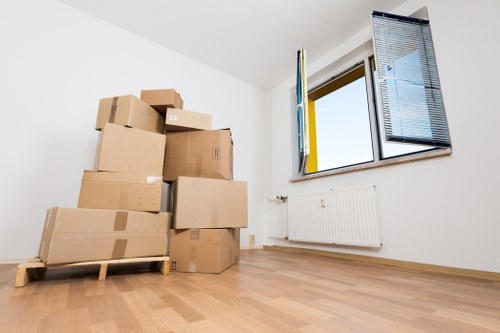
The right removal service depends on what is being moved rather than on a label alone. A small flat clearance, a family home, a shared house and an office all create different handling needs. In practice, this means considering whether the move needs packing help, a simple collection and delivery, or a fuller service that includes loading, unloading and furniture handling. A good quotation request therefore describes the contents and the access rather than using only general terms such as “big” or “small”.
For some customers, the key issue is vehicle capacity; for others it is the number of hands needed to move heavier goods safely. Some loads are dominated by boxes and bags, while others include wardrobes, beds, filing units or appliances that need more careful handling. Where the contents are mixed, it is often better to group the more fragile items separately so that they can be loaded in a sensible order and not compressed by heavier pieces.
You can also review removal services for a wider overview of moving support and removal company for a company-level summary of the same core work.
Furniture handling, dismantling and reassembly
Large furniture often determines how smoothly a removal goes. Beds, wardrobes, tables and shelving may need dismantling before they can be carried safely through doorways or down stairs. Where that is appropriate, the aim is to reduce strain on the item and on the route through the property. Handles, screws and small fittings should be stored together so they can be used again without delay at the destination. That simple step often prevents lost time later.
It is also worth thinking about the finish on the furniture itself. Veneered surfaces, glass panels and polished wood can mark easily if they rub against other items or hard edges. Protective wrapping and good positioning inside the vehicle help preserve the condition of the load, especially where a move includes both robust and delicate pieces. In a mixed load, the safer approach is to keep shaped or fragile furniture visible and accessible rather than packing everything tightly around it.
If you need moving help for larger household items, the pages for furniture pick-up and house movers give a useful sense of the related service options.
About Bow

Bow is a district in East London within the London Borough of Tower Hamlets, shaped by a long history of transport change, industry and redevelopment. Its name is commonly linked to the Bow Road and to the distinctive bowed crossing that gave the area its identity. The district sits close to the River Lea and the Limehouse Cut, and its position has long connected it with movement across east London. Much of Bow’s modern character reflects nineteenth-century growth, when the arrival of railways, road improvements and later social housing changed the area from a semi-rural edge of London into a more densely built urban neighbourhood. The area still carries traces of that layered history in its streets and building stock, where newer apartment blocks sit alongside terraces, estate landscapes and surviving older structures.
One of Bow’s most recognisable landmarks is Bow Church, formally St Mary’s Church, whose tower has become a local reference point. The area is also closely associated with the neighbouring Olympic Park and the wider Lea Valley landscape, which brought major transformation to east London in the early twenty-first century. Tower Hamlets Cemetery Park, though now a nature reserve, preserves an important historic burial ground and woodland setting on the edge of the district. The Regent’s Canal and the network of waterways nearby add to the sense of a place shaped by both infrastructure and green corridors. Cultural life in Bow is linked with nearby Mile End, Bromley-by-Bow and the wider east London scene, while the street pattern still reflects older routes through a district that has repeatedly adapted to change.
Public open space and transport have both played a strong role in how Bow is understood today. The district has long been connected by major roads and Underground and rail links, which have encouraged commuting, local commerce and shifting patterns of housing. At the same time, parks, estates and canal-side walks give the area pockets of quieter space within a busy urban setting. Bow’s history, from market gardening and industry to post-war rebuilding and modern redevelopment, gives it a character that is easy to recognise even as different parts of the district continue to change.
Man and van options for lighter loads
Not every move requires a full-scale removal vehicle and crew. A man and van style service is often better suited to lighter loads, a few pieces of furniture, single-room moves or smaller collections of items that still need careful transport. The advantage is flexibility: the work can be scaled to the job without paying for space or handling that will not be used. It can also suit mixed errands where a customer needs a few bulky items collected and delivered in one journey.
Even when the load is modest, the same principles still apply. Items should be arranged so that anything fragile stays protected, awkward shapes are padded where needed and boxes are placed in a way that avoids crushing. Where access is tight or parking is restricted, the plan for loading becomes just as important as the vehicle itself. A compact move still benefits from the same thoughtful handling as a larger one, particularly if it includes a heavy appliance or a valuable item.
See man and van for the related lighter-load service and man with van if you want to compare a similar transport-focused option.
Choosing between removal vehicle options

Different moves need different vehicle arrangements, and the choice is often about practicality rather than preference. A removal van may be suitable where the load is organised and predictable, while a larger moving truck can be useful for bulkier house contents or business relocation work. The important point is to choose a vehicle that can carry the load in a controlled way, without repeated trips that add pressure to the day or force items to be split unnecessarily. That decision is easier when the contents are described clearly at the quotation stage.
Some customers are also deciding between service styles rather than just vehicles. For instance, a simple collection might only require transport, whereas a fuller service may include loading and unloading support, furniture handling or packing help. Where those needs vary, the best choice is usually the one that covers the practical steps you genuinely require and omits the parts you do not. If you are comparing possibilities, it helps to keep the focus on what must physically happen on the day.
For transport-focused comparisons, the pages on removal van and moving truck are useful starting points before you ask for a quotation.
What to include when you request a quotation
A useful quotation request gives a clear picture of the move without needing pages of detail. The main points are the property type, approximate volume, access conditions, number of floors, any large furniture items and whether packing or dismantling is required. If there are awkward pieces such as piano-style items, heavy cabinets or delicate household equipment, naming them early makes it easier to prepare an accurate response. The same is true for office moves with specialist filing, IT or storage units.
Two practical details often improve the estimate: the start and end locations within the property, and any restrictions on parking or loading. A short note about timing can also help if the move needs to fit around handover, closure or key collection. It is fine to keep the request brief, provided it still explains what has to be moved and how the building can be accessed. Clarity is the most useful form of preparation because it reduces avoidable back-and-forth later.
When you are ready, go to pricing and quotes to request a quotation and compare the scope that suits your move.
Household and commercial support beyond transport
Some moves benefit from more than one kind of assistance. A household might want help moving a few large items while also needing boxes packed and delicate pieces wrapped. A business might need document groups or storage units kept in order while the main furniture is relocated. These extra steps can be valuable because they reduce the chance of damage or confusion during delivery and unpacking. They also make it easier to place items where they belong, rather than handling them twice.
Where the job includes multiple categories of contents, it is sensible to think in layers: first the items that need special care, then the bulky furniture, and finally the smaller objects that can be stacked or boxed more compactly. That approach works well for homes and workplaces alike because it supports a tidy loading pattern. It also gives you a more realistic idea of what the move actually involves, which is useful when comparing service options.
For supporting information on standards and handling, the insurance and safety page and the health and safety policy page provide relevant background.
Final steps and next moves
Once the route, contents and timing are understood, the rest of the move is usually about following the agreed sequence. Keep the items that stay with you separate from the items that are travelling, and make sure the boxes or furniture that should go first are easy to identify. If the move includes a few different loads or stops, it can help to group items by destination so that unloading is straightforward. A small amount of organisation at this point saves effort later and helps the day stay on track.
It is also worth checking whether any related support is needed after the main move. Some customers only require transport, while others want a fuller service that includes packing, collection of loose furniture or movement of commercial items. Either way, the quotation stage is the right moment to set out the practical scope so that the arrangement suits the job rather than relying on assumptions. If you want to move forward, keep the brief clear and review the options carefully.
For a final enquiry, use the site’s contact details and request a quotation today.