Commercial Moves in Bow
Helping Bow businesses move with less disruption

If you are planning Commercial Moves in Bow, you probably already know that business relocations are rarely simple. Offices, retail units, workshops, clinics, studios, and shared workspaces all come with their own schedules, equipment, access issues, and deadlines. In a busy East London area like Bow, even a short-distance move can involve tight streets, loading constraints, lift bookings, and the need to keep trading while the move is underway. That is why a local, practical approach matters.
A well-managed commercial move is not just about moving boxes from one place to another. It is about protecting your stock, files, furniture, IT equipment, and day-to-day operations while keeping downtime to a minimum. A team that understands Bow can plan around local traffic patterns, nearby commercial roads, residential zones, and mixed-use buildings where access may be limited. When timing and coordination matter, local knowledge makes a real difference.
Whether you are moving a small office near Bow Road, relocating a shop close to Roman Road, or shifting a larger team into new premises near Stratford or Mile End, the right support can make the process feel far more manageable. The aim is always the same: a structured move that fits your business, your building, and your schedule.
Why businesses in Bow choose a local commercial removals team

Bow sits in one of London’s most active and varied business areas. You will find everything from modern office suites and coworking spaces to independent retailers, cafés, creative studios, light industrial units, and community organisations. Each setting brings its own challenges, and that is why commercial removals need to be planned around the property, the access route, and the type of items being moved.
Local commercial removals in Bow are especially useful when the move involves time-sensitive operations. For example, a business may need to relocate after business hours, at a weekend, or in carefully staged phases to avoid interrupting staff and customers. In a dense part of East London, a move also needs to account for parking, restricted loading areas, and narrow streets where larger vehicles may need to be positioned carefully.
Another major benefit is communication. A local team can usually survey the site, discuss the move in practical terms, and spot issues before moving day. That may include stair access, lift dimensions, fragile items, shared building rules, and the amount of packing support needed. Good planning protects both time and budget, especially where commercial equipment or sensitive documents are involved.
Commercial removals for offices, shops, and specialist workplaces

Commercial moves are rarely one-size-fits-all. A small office relocation in Bow may need careful handling of desks, monitors, chairs, archive boxes, and confidential paperwork. A retail move may involve fixtures, shelving, stock, point-of-sale equipment, and displays. A studio or workshop may need tools, specialist equipment, materials, and items that are awkward to carry or pack.
We also understand that some businesses need a more tailored service. That could mean moving a single department first, transporting only selected items, or working around trading hours to reduce disruption. For some customers, the most valuable part of the service is not the lifting itself, but the coordination: making sure items are labelled properly, routes are planned, and the move happens in the right order.
Bow’s commercial buildings can vary from newer developments with managed access to older properties with tight staircases and awkward entrances. A commercial removals plan should reflect that reality. Careful handling, practical scheduling, and a clear move plan are essential when you want the transition to feel smooth rather than stressful.
What is included in a commercial move
Services commonly arranged for Bow business relocations
Every move is different, but a professional commercial relocation service usually includes a combination of planning, packing, transport, and placement at the new site. The exact arrangement will depend on the size of your business, the building layout, and the amount of support you want before and during the move.
Typical support may include:
- Pre-move discussion to understand your premises, items, and timescale
- Planning for access, parking, loading, and delivery at both sites
- Packing assistance for office contents, stock, and equipment
- Careful lifting and transport of furniture, boxes, and specialist items
- Protection for fragile, valuable, or high-use items
- Placement of items in the correct rooms or zones at the destination
- Support for phased moves where the business is relocating in stages
- Collection and removal of used packing materials where agreed
Some businesses only need transport, while others prefer a full office removals Bow service with packing and set-down included. The best option depends on how much internal resource you have available. If your staff are already busy serving customers, handling stock, or running operations, outsourcing more of the move can help keep business pressure down.
How a commercial move usually works
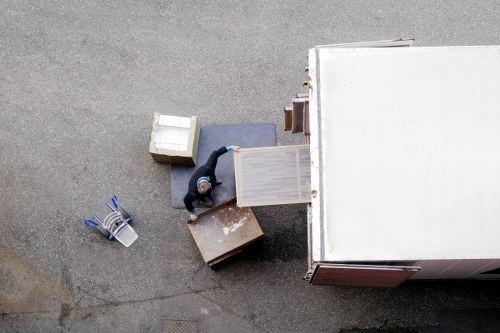
A structured move normally begins with a short conversation about the size of the premises, the type of items involved, and the date you want to move. This is the stage where it helps to be clear about anything that could affect the job, such as restricted access, building management rules, or the need to move outside standard trading hours.
After that, the move is usually broken into stages. First comes planning, then packing and labelling, then loading, transport, unloading, and placement at the new site. For larger businesses, the process may also include advance visits, item inventories, and coordination with your internal team so everyone knows what to expect on the day.
Good commercial removals are built around clarity. That means understanding which items need special handling, which rooms they should go to, and which parts of the business must stay available throughout the move. For example, a reception area may need to reopen quickly, or a stockroom may need to be operational before a retail floor is fully arranged.
A practical move timeline for Bow businesses
- Initial enquiry and move details
- Site discussion or assessment if needed
- Confirmation of scope, timing, and access arrangements
- Packing and preparation before move day
- Loading, transport, and unloading
- Placement of items into the right areas
- Final checks and handover
Local access, parking, and building challenges in Bow

One of the biggest reasons people look for commercial movers Bow is the practical reality of moving in a built-up London area. Bow has a mix of busy arterial roads, residential side streets, estates, commercial units, and properties that sit close to major routes. That means vehicle access, parking space, and safe loading can all affect how the move is carried out.
It is common for businesses in Bow to face one or more of the following issues:
- Limited or restricted parking near the premises
- Short loading windows or controlled access points
- Shared entrances in mixed-use buildings
- Narrow hallways, staircases, or lift constraints
- Nearby traffic that affects arrival and unloading times
- Noise-sensitive neighbours in residential or mixed areas
Because of this, a move often works best when it is scheduled with care. If you are relocating from or into an upper-floor office, a converted building, or a workspace with shared access, it is worth choosing a removals team that can adapt on the day. Flexibility and local awareness matter just as much as strength and transport.
Commercial property types we regularly help with in and around Bow
Bow has a broad mix of business properties, and that variety is one reason commercial relocations need to be handled thoughtfully. Different premises create different packing, carrying, and setup requirements. A local team can work around the building rather than forcing a standard approach that does not fit.
Common types of commercial premises include:
- Small and medium offices
- Shared workspaces and serviced offices
- Retail shops and showrooms
- Cafés, food businesses, and hospitality units
- Creative studios and design spaces
- Light industrial and workshop settings
- Community and professional service premises
For some properties, the move may need extra attention because of fragile displays, specialist tools, shelving, or confidential records. In other cases, the focus is on moving quickly and safely without interrupting customer service for longer than necessary. Either way, the move should be built around the reality of the premises, not just the contents.
Preparation checklist before moving your business
What local customers can do to make the day easier
A good move starts before the removal vehicle arrives. Even when you are using a professional team, your preparation can make a noticeable difference to the speed, safety, and order of the relocation. A simple checklist helps staff stay organised and reduces the chance of items being misplaced.
Useful preparation steps include:
- Decide which items are moving, being stored, or being disposed of
- Label boxes clearly by department, room, or priority
- Back up files and save key digital data before moving equipment
- Disconnect and prepare IT equipment according to your internal process
- Tell staff what they are expected to pack or clear in advance
- Reserve lifts, loading bays, or building access if required
- Clear walkways to reduce trip hazards on moving day
- Set aside essential items for first-day use at the new location
If your business handles sensitive paperwork, stock reconciliation, or specialist equipment, it is worth creating a simple move inventory. That extra organisation helps protect important items and makes it easier to check that everything has arrived safely.
Packing support for offices, retail units, and stock rooms
Packing is often the part of a commercial move that takes longer than expected. Staff usually have to keep working while also preparing for the relocation, which is why many businesses ask for help with boxing, wrapping, and organising items properly. The more fragile or valuable the contents, the more important packing becomes.
Office packing may include documents, IT accessories, stationery, small electronics, and meeting room items. Retail packing may involve stock, display items, signage, and cash-handling equipment. Workshops and studios may need specialist materials, tools, or items that must be secured so they do not shift during transport. Correct packing saves time on both sides of the move.
Good packing also makes unpacking easier at the destination. If boxes are labelled clearly and grouped logically, staff can get back to work more quickly. That matters for businesses in Bow that want to minimise downtime, meet customer demand, or reopen in stages rather than all at once.
Pricing factors for commercial moves in Bow
Every commercial relocation is priced according to the work involved, rather than a fixed one-size-fits-all figure. That is because the time, labour, vehicle size, packing support, and access conditions can vary widely from one move to another. A small office shift is very different from relocating a busy retail unit or a multi-room workspace.
Factors that may affect the cost of a commercial move include:
- Size of the premises and amount of furniture or equipment
- Distance between the old and new locations
- Access conditions at each building
- Need for packing materials or packing labour
- Requirement for multiple trips or larger vehicles
- Need for out-of-hours, evening, or weekend timing
- Special handling for fragile, heavy, or unusual items
- Any extra services such as placement or dismantling support
If you are planning a business relocation Bow and want clarity before you commit, ask for a tailored quote based on your actual move. That is usually the most useful way to compare options and decide what level of service suits your schedule.
Why choosing a Bow-based team can be more efficient
When a business move is local, you benefit from shorter travel times, better awareness of nearby routes, and a team that understands the typical constraints of the area. That can mean smoother arrival times, quicker adjustments on the day, and less risk of avoidable delays. It can also make site visits easier if you want to walk through the move in advance.
There is also value in working with people who know the nearby districts. Many Bow businesses operate close to Stratford, Old Ford, Mile End, Fish Island, Hackney Wick, and Poplar. These areas can all bring different access conditions, building styles, and traffic considerations. A team that regularly moves businesses across East London will usually be better placed to plan around those differences.
Local experience does not replace careful planning, but it strengthens it. For businesses that need a reliable, practical service, that local familiarity can reduce stress and help the move run more smoothly from start to finish.
Areas covered around Bow
Commercial moves in Bow often involve nearby districts as well as the local area itself. Many businesses do not move far, but the move still needs to be coordinated carefully because of roads, access rules, and building layouts.
Areas commonly covered include:
- Bow
- Old Ford
- Stratford
- Mile End
- Fish Island
- Hackney Wick
- Poplar
- West Ham
- Stepney
- Canary Wharf and surrounding business districts
Whether you are moving within Bow or relocating between nearby East London areas, the aim is the same: a calm, organised commercial removals service that keeps your business moving.
What makes a smooth commercial relocation day
Small details that make a big difference
Commercial relocation days tend to go best when the details are sorted in advance. That includes not only the moving plan but also the way people, items, and access points are managed. Simple choices can save a surprising amount of time once the move starts.
Useful actions on move day include:
- Assign one person to coordinate with the removals team
- Keep essential keys, codes, or access passes ready
- Make sure the first items needed at the new site are easy to identify
- Separate fragile or confidential items from general load items
- Confirm which rooms or areas should receive each group of items
- Keep staff updated if the move is being completed in stages
For customer-facing businesses, it is also worth thinking about how the move affects your opening hours or service levels. Some businesses choose to move stock or furniture after close of business, while others split the relocation over several visits. A little flexibility can help protect trading time.
Frequently asked questions about commercial moves in Bow
How far in advance should I book a business move?
It is usually sensible to start planning as early as possible, especially if your move needs to happen at a particular time of day, outside normal hours, or around building restrictions. Early planning gives you more flexibility and allows time for packing, staff organisation, and access arrangements.
Can you help with office furniture and IT equipment?
Yes, commercial moves commonly involve desks, chairs, filing units, shelving, monitors, computers, printers, and other office items. The key is making sure everything is disconnected, packed, and labelled correctly before transport. If your equipment is sensitive or essential for operations, mention that during the planning stage.
Do commercial moves in Bow need special parking arrangements?
Often, yes. Bow includes streets and buildings where parking or loading can be difficult, so it is helpful to think about this early. If access is limited, the move may need to be timed carefully or staged to make unloading easier.
Can a business move be done outside working hours?
In many cases, yes. Evening, early morning, or weekend moves are often used to reduce disruption. This is especially useful for customer-facing businesses or offices that cannot easily close during the day.
What if I only need part of the premises moved?
Partial moves are common. You may want to relocate just a department, selected equipment, or a section of stock first. A tailored service can be planned around phased relocations so the business can keep operating while the transition takes place.
Choosing the right level of support for your move
Some businesses want a simple transport-only service. Others prefer full support that includes packing, loading, unloading, and placement at the new premises. The right choice depends on the size of the move, the number of staff available, and how much disruption your business can handle.
If your team is already stretched, it may be worth using a more hands-on service so your staff can keep focusing on customers and operations. If you have internal support available, you may only need help with the heaviest items or the parts of the move that require vehicles and lifting equipment. The best plan is the one that fits your actual workload.
When in doubt, ask for a clear quote and a practical explanation of what is included. That way you can compare options with confidence and avoid surprises later in the process.
Ready to plan your commercial move in Bow?
If your business is preparing for a relocation, expansion, internal reshuffle, or phased move, now is the right time to start planning. The earlier you prepare, the easier it becomes to manage access, packing, scheduling, and staff coordination. A local team can help you work out the safest and most efficient way to move your premises with minimal disruption.
Whether you need help with an office, shop, studio, stockroom, or mixed-use commercial space, Commercial Moves in Bow should be planned around your business needs, not the other way around. From careful packing to transport and set-down, the right service can make moving day feel far more organised.
Contact us today to discuss your move, request a free quote, or book your service now. If you are comparing options, look for a team that understands Bow, respects your schedule, and can adapt to your building and business type. That is the difference between a stressful move and a controlled one.